
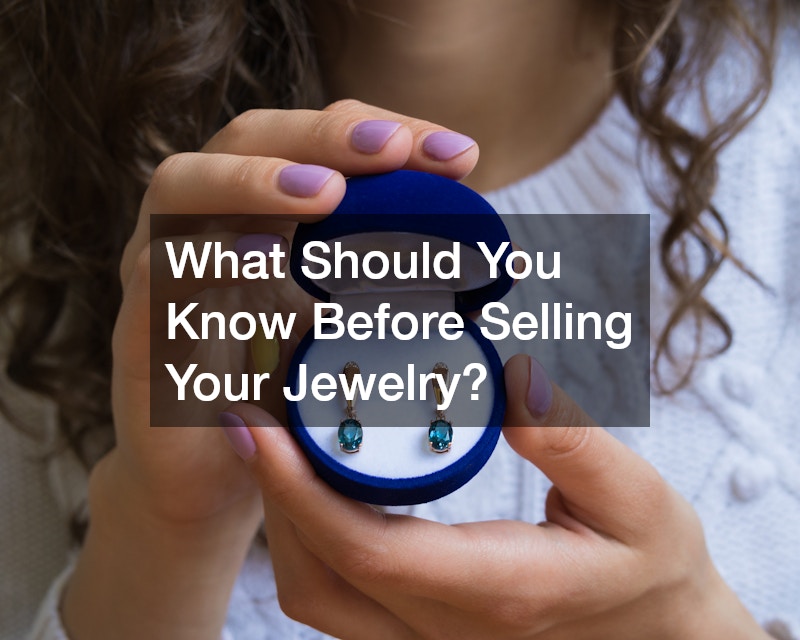
Parting with jewelry—whether it is a family heirloom, an old engagement ring, or pieces that simply no longer fit your taste—can be both an emotional and financially significant process. Before taking your collection to market, taking time to educate yourself ensures you protect your financial interests and avoid seller’s remorse.
Disconnect Emotional Value from Market Value
One of the hardest aspects of selling personal jewelry is accepting that sentimental worth rarely translates to financial value. A piece handed down through generations may carry priceless family memories, but a commercial buyer evaluates it strictly on raw materials, brand recognition, craftsmanship, and current market demand.
Retail prices include heavy markups for manufacturing overhead, design rights, retail storefronts, and marketing. When selling on the secondary market, you are typically receiving liquidation or scrap value rather than retail replacement cost.
Gather Documentation and Get an Objective Appraisal
Before approaching potential buyers, gather as much background information as possible. Collect original purchase receipts, laboratory grading reports (such as GIA or AGS certificates for diamonds), and brand packaging. Original documentation for high-end designers like Cartier, Tiffany & Co., or Van Cleef & Arpels can substantially increase your resale value.
If you are unsure of a piece’s authenticity or specifications, consider hiring an independent certified appraiser. Make sure to explicitly request a liquidation or fair market value appraisal rather than an insurance appraisal. Insurance appraisals reflect the cost to replace an item brand-new at retail, which creates inflated and unrealistic expectations for sellers.
Understand Precious Metal and Gemstone Value
The value of fine jewelry is fundamentally anchored in the current market rates for precious metals—such as gold, platinum, and silver—and the quality of its gemstones. Gold prices fluctuate daily based on global economic indicators. Knowing the purity of your metal (for example, 10k, 14k, or 18k gold) and calculating its weight gives you a baseline melt value.
For gemstones, large certified diamonds and high-grade colored stones like rubies, sapphires, and emeralds retain secondary market value best. Keep in mind that small accent diamonds often add minimal resale value compared to a prominent center stone.
Evaluate Your Selling Options
Where you choose to sell depends on whether you prioritize immediate cash flow or maximum overall yield. Estate jewelers are ideal for antique or vintage pieces where historic craftsmanship adds value beyond raw metal weight. Consignment and auction houses work best for high-end designer jewelry or rare items; while commission fees can range from 10% to 30%, exposure to global collectors often commands higher final prices. Direct peer-to-peer sales through online marketplaces can yield higher direct payouts, though they carry increased risk regarding fraud, shipping safety, and delayed payment disputes. Alternatively, partnering with a dedicated jewelry buyer who specializes in liquidating pre-owned assets offers a safe, confidential environment, instant valuations, and immediate payout.
Prepare for Negotiation and Pricing Realities
When selling to a business that intends to resell or melt your pieces, recognize that they must maintain an operational profit margin. You will rarely receive 100% of the intrinsic spot value for metals or wholesale value for stones. Buyers evaluate melt value, which is the raw bullion value of precious metal content calculated by purity and weight after removing stones. Some buyers may also deduct small refining costs if a setting must be melted down rather than resold as finished jewelry.
Never feel pressured to accept the very first offer. Visit multiple buyers to compare written quotes, and insist that all weighing and testing occur directly in your line of sight on calibrated, state-certified scales.
Handle and Transport Your Pieces Carefully
Presentation matters, but improper cleaning can permanently ruin valuable items. Avoid using harsh chemicals, toothpicks, or ultrasonic cleaners on soft or porous stones like pearls, opals, or emeralds. Simply wipe items gently with a microfiber cloth. When transporting your collection, pack each piece individually in soft velvet pouches to prevent hard gemstones like diamonds from scratching precious metals or other stones.
Selling your jewelry successfully relies on thorough research, tempered expectations, and transparent transactions. By securing proper documentation, understanding secondary market economics, and comparing offers from reputable buyers, you can confidently turn your fine jewelry into a solid financial return.